

LEGENDARY BRANDS · TAG HEUER
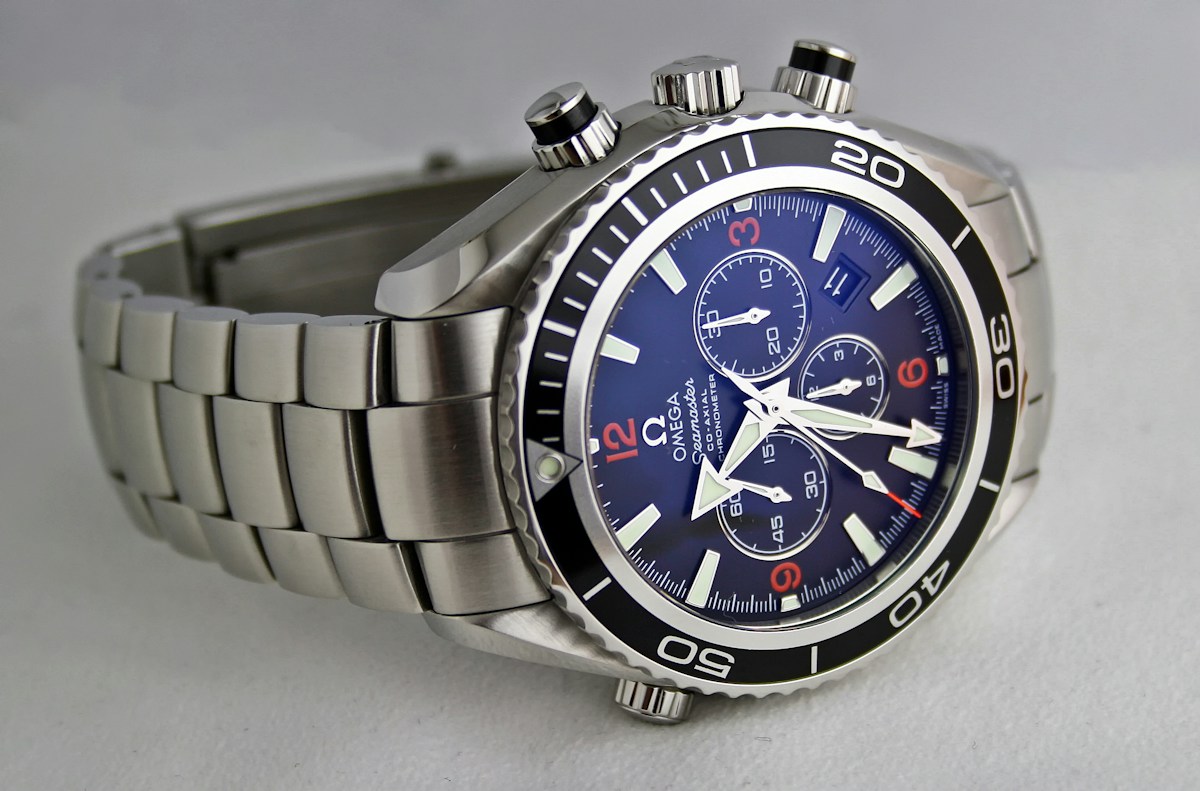
TAG Heuer and coffee: measuring time in the cup and on the track
April 2025 · 6 min read · Carrera Café · Season: all year round
In Formula 1, time is measured in thousandths of a second. Not in minutes. Not in seconds. In thousandths. The difference between pole position and second place often comes down to a tenth. Sometimes less. This level of precision requires instruments that cannot afford to hesitate.
TAG Heuer, official timekeeper of Formula 1 for several decades, built its reputation on this obsession. Every watch from the house is a statement: time matters, it is measured, and no approximation is acceptable.
There is something in this philosophy that resonates with what we do at Carrera Café. Espresso is also measured in seconds. 25 seconds, plus or minus two. Below that, the coffee lacks extraction. Beyond that, it becomes bitter. The window is narrow. The margin of error, minimal.
The Heuer heritage before TAG
Edouard Heuer founded his watchmaking manufacture in 1860 in Saint-Imier, Switzerland. Early on, he understood that the future of time measurement was not in mantel clocks, but in precision instruments intended for athletes, pilots, and navigators.
The first associations with car racing date back to the 1910s. The brand created dashboard chronographs for race cars, instruments capable of measuring precisely what other tools of the time could only approximate.
In 1971, Steve McQueen wore a TAG Heuer Monaco in "Le Mans." This square, red watch with its blue dial became one of the most recognizable watch objects in the world. Not because TAG Heuer planned it. Because McQueen chose this tool for a racing film.
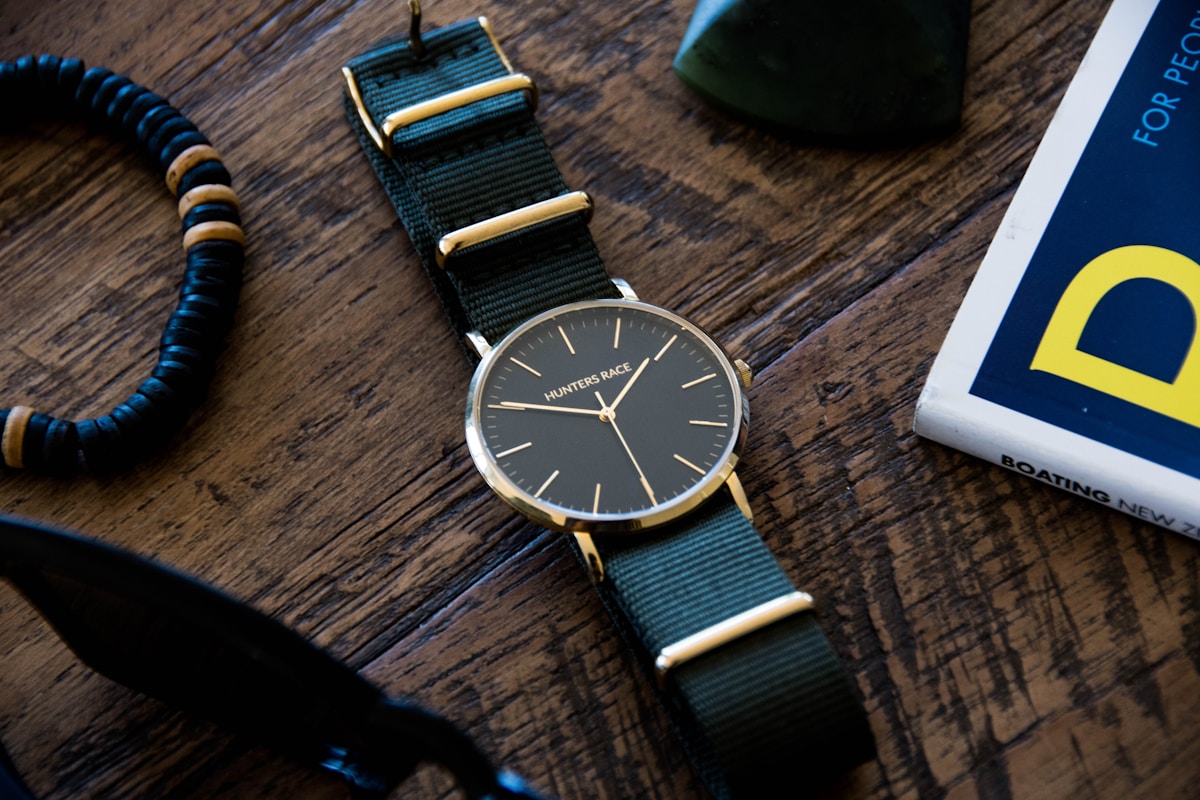
25 seconds: the time of an espresso
The extraction time of an espresso is not an arbitrary convention. It comes from the physics of coffee. Hot water under pressure passes through the coffee puck, dissolving the soluble compounds. Too fast: the light aromas are lost, the bitters don't have time to develop, the result is acidic and hollow. Too slow: the tannins and bitters dominate, the coffee tastes sharp.
25 seconds is the window where the two meet: aromas, balance, density. To measure this properly, some professional baristas use stopwatches. Not because they don’t trust their instinct. Because they know instinct can be wrong, especially when making a hundred espressos a day and fatigue sets in.
TAG Heuer measures F1 drivers’ performances with the same rigor. Not to replace the driver’s judgment. To give them data to support their decisions.
The Carrera: a name that speaks to us
In 1963, Jack Heuer launched the Heuer Carrera. The name came from the Carrera Panamericana, a legendary road race in Mexico, one of the most dangerous ever organized. A 3,000-kilometer route crossing the country from north to south. A five-day race. Some years, more than half the participants didn’t reach the finish line.
Jack Heuer wanted this watch to carry the spirit of this race. Robust, readable, no frills. A chronograph made to be used, not displayed. The Carrera became one of the most durable watches in TAG Heuer’s history.
The name is not unfamiliar to us. Carrera Café also carries this reference, this universe where precision and passion naturally intersect. When you name a café with this word, you make the same choice as Jack Heuer in 1963: putting performance and character at the heart of the identity.
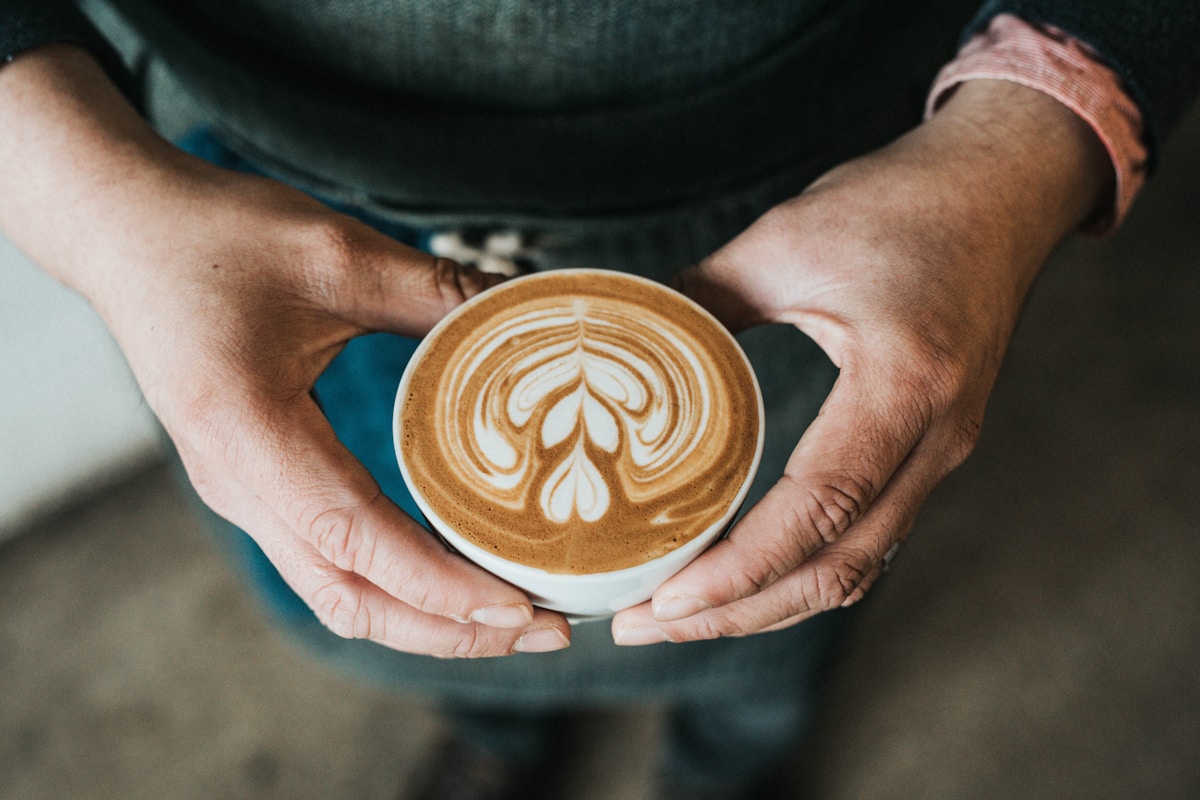
Precision as a shared value
What unites TAG Heuer and specialty coffee is not obvious at first glance. A Swiss watch brand and an artisanal coffee shop in Petit Champlain don’t operate in the same world.
And yet. Precision is not an industrial sector. It’s an attitude. A refusal of vagueness, approximation, or "it’ll be fine." It’s a way of saying that details matter, that milliseconds count, that 25 seconds of extraction are not interchangeable with 20 or 30.
When you drink an espresso at Carrera Café, you benefit from this approach. Not because we tell you about it. Because it’s in the cup.
COME TEST THE PRECISION
25 seconds, no more, no less. The espresso at Carrera Café is extracted with the same care as a Swiss chronograph measures milliseconds. Come judge for yourself.
FIND USRELATED ARTICLES


Comments (0)
There are no comments for this item. Be the first to leave a message!