

COFFEE AND EXPERTISE · TECHNIQUES
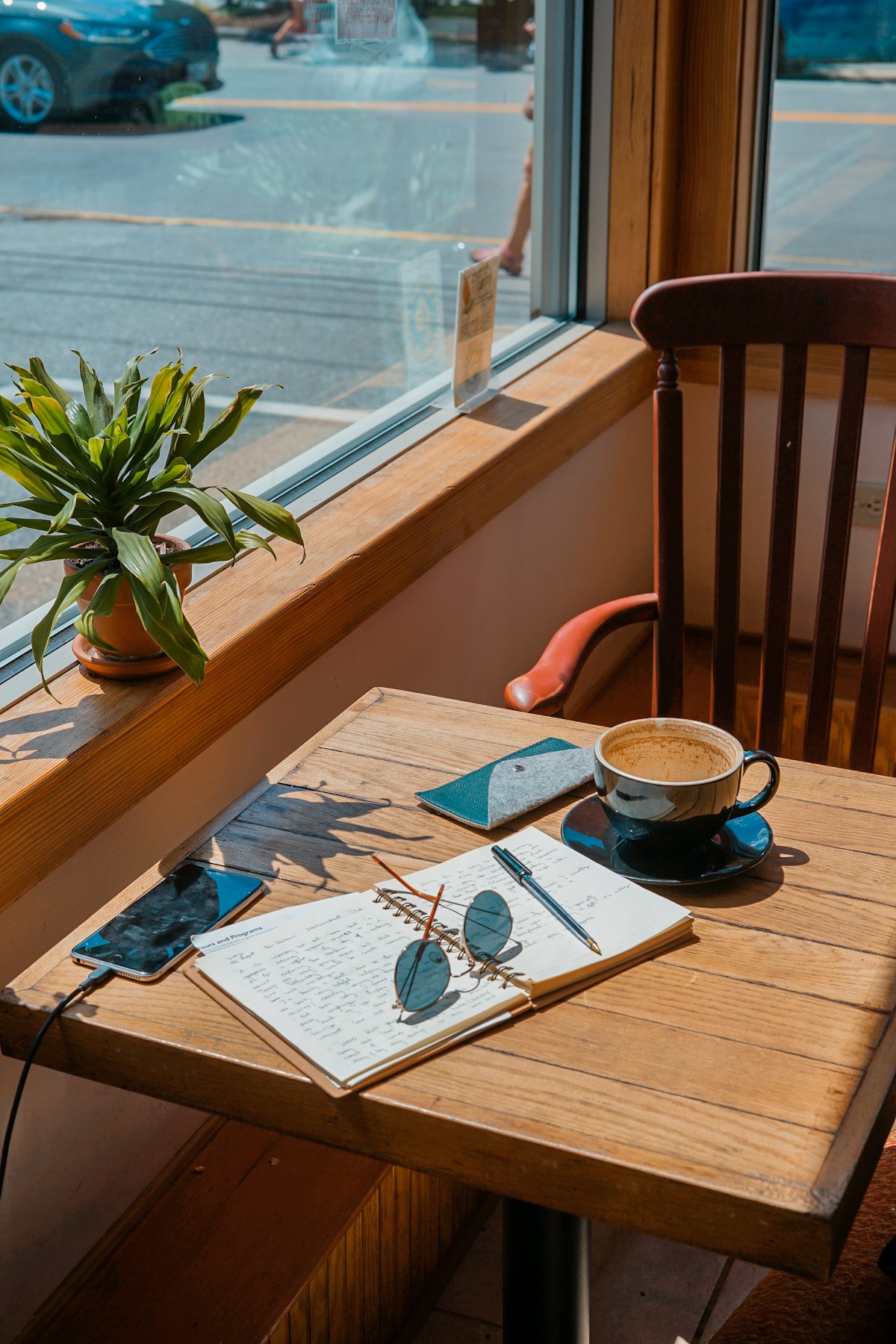
Latte art: when the cup becomes a canvas and the milk a raw material
February 2025 · 6 min read · Carrera Café · Season: year-round
There is a moment, when you receive a well-made latte, where you hesitate to drink it. Not because it is too hot. Because it is too beautiful. A perfect rosetta on a background of amber crema is something that deserves a second of attention before the first sip.
Latte art is not decoration. It is an indicator. When the foam is fine and stable enough to form a design while pouring, it means the milk has been textured correctly. And well-textured milk makes a latte that is smooth, creamy, and balanced. The form is proof of the substance.
Origin: how latte art appeared
Latte art was born in Italian cafés in the 1980s and developed in the United States in the 1990s, especially in Seattle. David Schomer, owner of Espresso Vivace, is often cited as one of the first to formalize the technique and document it.
At first, it is purely functional. Pouring the milk in motion allows the foam to be integrated into the espresso evenly, creating a silkier texture than simply adding foam on top. The design that appears is a happy byproduct of good technique.
Today, latte art has become an art form in its own right, with world championships, codified techniques, and baristas who train for hours every day to master increasingly complex patterns.

The foam: everything is there
The texture of the milk is the foundation of everything. We are looking for what is called microfoam in English: a foam so fine that it looks like liquid paint, shiny, that flows rather than holds. No large bubbles. No thick foam floating separately. A homogeneous emulsion of milk and micro air bubbles.
To achieve this, the steam wand must be positioned just below the surface of the milk, at a slightly tilted angle. The rotation of the milk in the pitcher gradually incorporates air. When the surface is smooth and shiny like silk, it's ready. The milk should not exceed 65 degrees: beyond that, the proteins denature and the texture degrades.
It's a matter of millimeters and seconds. That's why we say making good coffee is also about being present.
The classic shapes and their difficulty
The heart is the entry point. Simple to execute once the pouring technique is mastered. Pour the milk in the center, push slightly forward, then pull back. The result is a heart with sharp contours. It's often the first shape learned.
The rosetta demands more. The side-to-side rocking motion that creates the petals requires control of the flow and rhythm of the pitcher. Too slow, the petals collapse. Too fast, they fade. Professional baristas can draw rosettas in less than five seconds, with the same consistency in every cup.
The tulip is more graphic. Three or four successive deposits of foam, each slightly pushing back the previous one. The result is geometric, sharp, elegant. It's often the chosen pattern for lattes that require a certain visual structure.
Why it really matters
Some customers sometimes ask us if the pattern in their latte serves a purpose. The honest answer: not directly. A heart doesn't change the taste. A rosetta doesn't add caffeine.
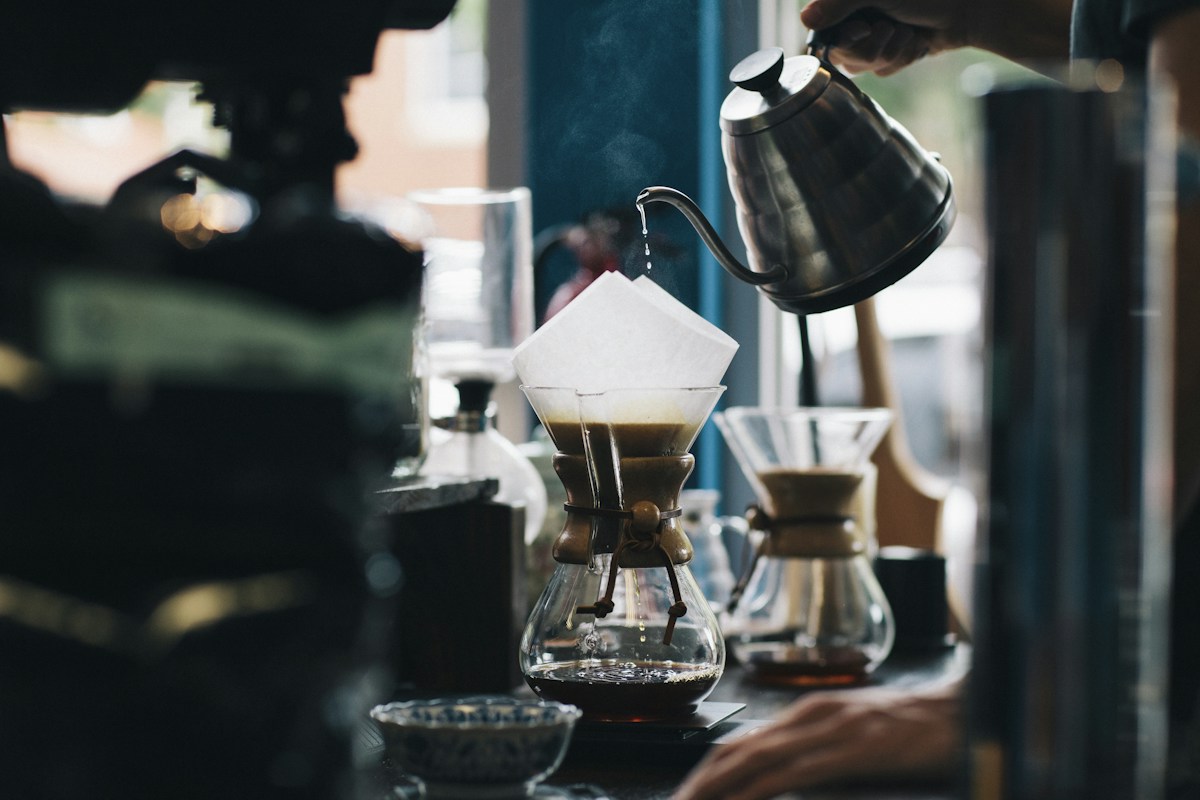
But indirectly, yes. A well-textured latte, poured with care, means the barista paid attention. To temperatures, timing, the quality of the milk. That care is found in the cup, in the texture, in the balance between the espresso's bitterness and the milk's sweetness. The design is the signature of a job done right.
It's a bit like the state of a well-prepared car before a race. No one sees the adjustments. But you feel them. At Carrera Café, every latte is a way of saying that details always matter, even in things we drink in a few minutes.
COME SEE THE GESTURE IN PERSON
Every latte at Carrera Café is handmade, with care. Sit at the counter and watch the work. It's a short performance, but it's live.
FIND USRELATED ARTICLES


Comments (0)
There are no comments for this item. Be the first to leave a message!