

COFFEE AND KNOW-HOW · TECHNIQUE

Latte art: how to succeed with your first coffee designs
April 2026 · 6 min read · Carrera Café · Know-how
Latte art is the meeting of technique and intuition. A precise gesture, well-prepared milk, and a cup that becomes a small ephemeral work of art. Here’s how to start with the essential shapes.
We often think latte art is reserved for professionals who have spent years behind an espresso machine. In reality, with the right basics and a bit of regular practice, the first recognizable shapes come faster than you think. The heart, the rosette, the tulip — these designs have a logic that can be learned.
Microfoam: the foundation of everything
Before even thinking about the designs, you need to master microfoam. It's the technique of heating the milk while incorporating air in a controlled way. The goal: to get a smooth, silky, almost shiny foam — called "velvet milk" in the field. The steam wand of your machine should be just below the surface of the milk, slightly off-center to create a vortex. The target temperature is 60 to 65°C. Beyond that, the milk burns and the foam becomes dry.
The heart: the first shape to master
The heart is the entry point to latte art. To create it, start pouring the milk from about 10 cm high to go beneath the espresso crema. When the cup is two-thirds full, lower the pitcher close to the surface and let the frothed milk flow in one fixed spot. You’ll see a white shape form. Finish by pulling the pitcher toward you with a decisive motion to cut the shape and create the tip of the heart.
The rosette: the signature shape
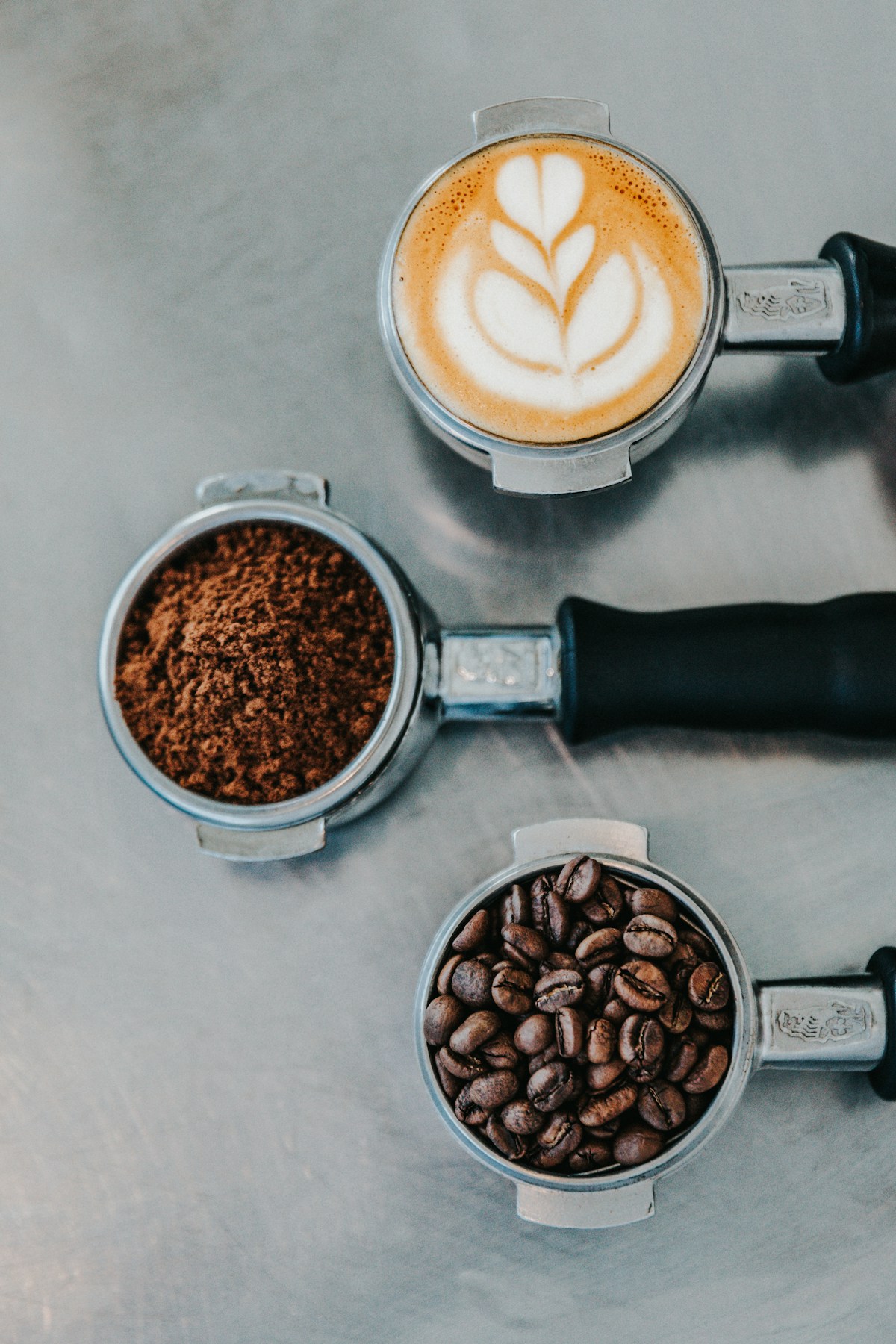
The rosette is more complex but still achievable after a few days of practice. The technique involves rocking the pitcher from side to side while slowly bringing it toward you during the pour. This lateral movement creates the characteristic "petals" of the rosette. The fineness of the design depends on the speed of the rocking and the consistency of the milk flow. Start slowly, then gradually speed up as you gain confidence.
The most common mistakes
The first mistake is pouring too fast, which doesn’t give the foam time to settle on the crema. The second is milk that’s too hot—above 65°C, the texture changes and the designs won’t hold. The third is not stabilizing the cup while pouring. Always place your cup on a stable surface, slightly tilted toward you for a better pouring angle. And most importantly: practice. Each day brings new subtle improvements that add up.
COME SEE LATTE ART IN ACTION
At Carrera Café in Petit Champlain, every coffee is prepared with care. Come discover our expertise and leave inspired.
FIND USRELATED ARTICLES


Comments (0)
There are no comments for this item. Be the first to leave a message!